


Ohio Bill Targets Troubled Rehab Facilities: What It Means for Families
A new Ohio bill aims to shut down repeatedly non-compliant residential treatment facilities, offering families greater safety and accountability.
Get The Help You Need
A new Ohio rehab facility bill could finally force the state to shut down residential treatment centers that repeatedly fail to meet basic safety standards. House Bill 811, introduced in April 2026, aims to take discretion away from the Ohio Department of Behavioral Health when a facility shows a pattern of non-compliance. For families in Columbus, Cleveland, Cincinnati, and across Ohio, this legislation promises greater accountability — and peace of mind.
Here’s the thing: too many Ohioans have been hurt by facilities that should have been shut down long ago. At Recovery Institute of Ohio, we see the aftermath — people who suffered neglect, abuse, or unsafe conditions while trying to get sober. That’s not how recovery should work.
What House Bill 811 Actually Does
The bill, sponsored by state representatives Crystal Lett and others, would require the Ohio Department of Behavioral Health to revoke the license of any residential treatment facility that accumulates multiple serious violations within a set timeframe. Right now, the department has broad discretion — meaning they can choose to keep a facility open even after major infractions. HB 811 takes that choice away.
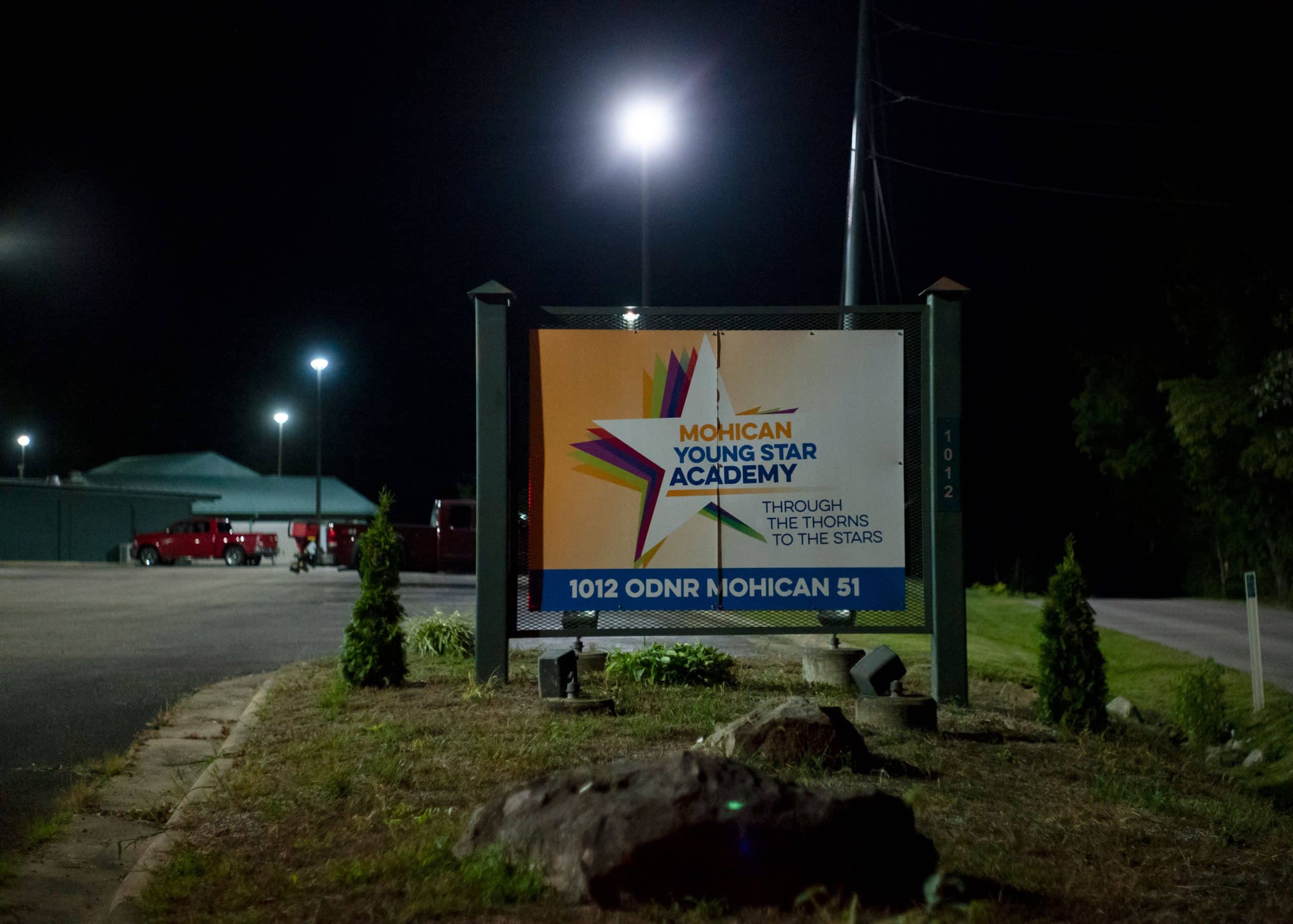
“The proposal comes just months after The Marshall Project – Cleveland exposed violence at a residential youth facility northeast of Columbus,” reported The Land. That facility, Mohican Young Star Academy, was the subject of a damning investigation revealing physical abuse, sexual misconduct, and systemic failures. The exposé sparked outrage — and apparently, legislative action.
But it’s not just about that one place. In Cleveland, another facility — Oriana House — made headlines in April 2026 when it faced criminal charges for mold violations at its Cuyahoga County Diversion Center. Mike Mason of Cleveland 19 News reported that the facility failed to clean up mold found throughout the building, putting vulnerable people at risk.
These aren’t isolated incidents. They’re symptoms of a system that’s too often prioritized profit over people.
How We Got Here — A Brief History of Ohio’s Treatment Facility Crisis
Ohio has long struggled with oversight of residential treatment facilities. When the opioid epidemic surged, the state licensed dozens of new facilities in the 2010s — many of which lacked proper regulation. Stories of abuse, neglect, and unsafe conditions piled up.
In our experience at Recovery Institute of Ohio, we’ve seen clients come to us after being discharged from facilities that couldn’t provide basic care. They’ve shared stories of understaffed centers, unsanitary conditions, and even physical harm. It’s heartbreaking — and that’s exactly why we support legislation like HB 811.
Governor DeWine has also taken steps to address the crisis, announcing nearly $5 million to combat drug trafficking and prevent substance use disorder. But that doesn’t fix the problem of bad actors operating within the system. The bill is part of a broader push for accountability, following similar measures in other states.
What This Means for Ohio Families
For families searching for a safe detox or residential program, HB 811 is a game-changer. It means that facilities with a track record of non-compliance can’t keep their doors open — and the state can’t look the other way.
But here’s the catch: enforcement relies on reporting. The Marshall Project’s investigation was dogged journalism, but not every bad facility gets that kind of scrutiny. Families need to do their own homework too. Ask questions: Is the facility licensed? Have there been any complaints? What does the state inspection report say?
We also see this as a chance to shift the conversation. As we discussed in our article on Drug Court Expansion In Ohio: A Shift from Jail To Treatment, the state is increasingly recognizing that treatment should be a health issue, not a criminal one. But for that to work, treatment has to be safe and effective.
What Happens Next? The Bill’s Chances and Timeline
HB 811 is currently in committee. It has bipartisan support, but it also faces pushback from facility operators who argue it could lead to closures that reduce access to care. That’s a legitimate concern — but access to bad care isn’t access at all.
The Ohio Department of Behavioral Health hasn’t taken a formal position, but sources suggest they’re wary of losing flexibility. Still, the public pressure from news coverage and advocacy groups is mounting.
If passed, the bill would take effect 90 days after being signed into law. That means we could see changes as early as late 2026. But don’t wait for the law to change to start asking the tough questions.
How to Find a Safe, Compliant Rehab Facility in Ohio
So what should you look for? First, make sure the facility is licensed by the Ohio Department of Behavioral Health. You can check their online database for any violations. Second, ask about staff-to-patient ratios, credentials, and oversight. A good facility will be transparent.
At Recovery Institute of Ohio, we believe in full transparency. Our programs in Columbus and throughout the state are designed to meet the highest standards of care. We offer medical detox, residential treatment, and outpatient services — all in a safe, supportive environment. For more on treatment approaches, check out our guide on What Is Medication-Assisted Treatment (MAT)?
Also, stay informed. The Opioid Treatment Program Rule Changes In Ohio are another important piece of the puzzle. Together, these developments signal a shift toward higher standards across the board.
Your Recovery, Your Safety — We’re Here to Help
Legislation like HB 811 is a step in the right direction, but it’s not the whole answer. Real change happens when people — families, advocates, and providers — demand better. And if you’re reading this because you or someone you love needs help, don’t wait for the law to fix everything.
Recovery is possible, and it starts with reaching out. At Recovery Institute of Ohio, we’ve helped thousands of Ohioans find their path to sobriety in a safe, compassionate setting. Don’t trust your life to a facility that might be the next headline.
Call us today at (888) 705-0886 or visit recoveryinstituteofohio.com to learn more. Your safety is our priority — always.
Are You Ready to Start a Better Way of Life?
Reviewed by Jessica Kitchen

Jessica Kitchin is the Clinical Program Manager/Primary Therapist at Recovery Institute of Ohio. She received her Master’s Degree in Addiction Counseling from Grand Canyon University. Jessica believes that the best part of her job is knowing that she is apart of creating a safe, healthy, nonjudgmental environment where people can come and better their lives. "There is nothing more satisfying than helping others learn to live again and piece their lives back together as they become strong, productive members of society. Together, we can bring families back together and promote healing and wellbeing.

Start your recovery today with Recovery Institute of Ohio
Recovery Institute of Ohio Treatment Programs
Drug Rehab Blogs