


New Synthetic Opioids Stronger Than Fentanyl Hit Ohio: What You Need to Know
Learn about the new class of synthetic opioids up to 40 times stronger than fentanyl now in Ohio and how to get help.
Get The Help You Need
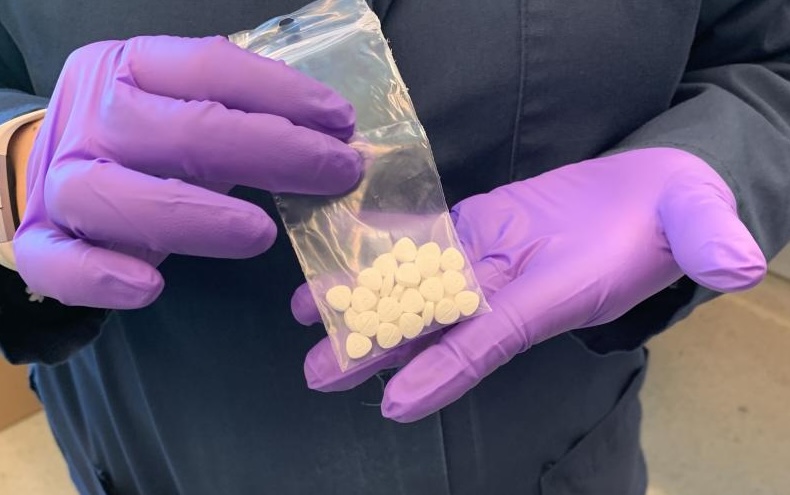
A new wave of synthetic opioids — far more dangerous than anything we’ve seen before — is spreading across Ohio. These new synthetic opioids stronger than fentanyl are up to 40 times more potent, and they’ve already been detected in 48 states, according to a recent investigation by Bellingcat. That’s not a typo: 40 times stronger than fentanyl. 500 times stronger than heroin.
Here’s the thing: these aren’t abstract risks happening somewhere far away. They’re in our communities — in Columbus, Cleveland, Cincinnati, Dayton, Akron. And they’re killing people faster than ever.
At Recovery Institute of Ohio, we’re on the front lines of this crisis. Patients come in not knowing what they took, because dealers are mixing these super-potent opioids into everything. It’s terrifying for families. But there is hope — and there are steps you can take right now.
What Are These New Super-Potent Opioids?
According to Bellingcat’s report, a class of synthetic opioids known as nitazenes — including compounds like isotonitazene and etonitazene — are showing up in drug supplies across the country. These drugs are designed to evade detection and are often added to heroin, counterfeit pills, and even cocaine without the user’s knowledge.
Think about that: a person might think they’re taking a prescription painkiller or a small amount of cocaine, but they’re actually ingesting a substance that’s 500 times stronger than heroin. One tiny miscalculation — and it’s fatal.
The CDC also issued a Health Alert Network advisory in April 2026, warning about the increasing presence of medetomidine — a veterinary sedative — in the illegal fentanyl supply. Medetomidine, sometimes called ‘rhino tranq,’ can cause profound sedation, dangerously low heart rate, and a severe withdrawal syndrome that may require intensive care.
How Did We Get Here?
The current crisis is partly a result of successful crackdowns on fentanyl. As law enforcement tightens controls on fentanyl production, clandestine labs pivot to even more potent — and often more dangerous — alternatives. Bellingcat notes that these super-potent opioids are often synthesized in China and shipped through the mail, making them incredibly hard to intercept.
In Ohio, the problem is compounded by a recent end to federal funding for fentanyl test strips, as reported by WOSU. The Ohio Department of Health says its supplies of test strips are running low. Test strips — which can detect fentanyl and some of its analogs — are a critical harm reduction tool. Without them, people who use drugs have no way of knowing what’s actually in their supply.
We’ve also seen the impact behind bars. As we reported in our article on Ohio Prisons Overrun With K2 and Fentanyl: Overdose Crisis Behind Bars, synthetic drugs are flooding Ohio’s prison system, leading to a surge in overdoses and deaths.
What Does This Mean for Overdose Risk?
The stakes are higher than ever. These new opioids are so potent that a dose the size of a grain of salt can be lethal. And because they’re often mixed with other drugs, the risk of accidental overdose is enormous.
Here’s a scary twist: medetomidine — which is not an opioid — does not respond to naloxone. While naloxone will reverse the opioid component of an overdose, it won’t reverse the sedation or breathing depression caused by medetomidine. The CDC advises that naloxone should still be given for any suspected overdose, but multiple doses may be needed, and medical attention is critical.
CDC also highlighted that stopping medetomidine after regular use can lead to a severe withdrawal syndrome — hypertension, anxiety, vomiting, fluctuating alertness — that may require emergency or intensive care.
Ohio-Specific Concerns: From Cleveland to Columbus
Cleveland has already seen the impact. In June 2026, Cleveland police arrested a suspect in an involuntary manslaughter investigation after finding fentanyl and PCP during a search. This isn’t an isolated incident — it’s a snapshot of a statewide trend.
In Columbus, the loss of federal funding for test strips means fewer resources for people trying to stay safe. And across the state, prisons are struggling to contain the flow of synthetic drugs, as detailed by The Marshall Project.
So where does Ohio go from here? Increased awareness is a start. But we also need better access to testing, treatment, and overdose reversal medications.
“We’re dealing with a moving target. The drug supply changes faster than our tools can adapt. But education and treatment remain our best defenses.” — Recovery Institute of Ohio clinical team
How Recovery Institute of Ohio Can Help
At Recovery Institute of Ohio, we’ve been adapting our treatment protocols to meet this new threat. We know that standard approaches may not be enough when patients have been exposed to these super-potent opioids or to medetomidine.
Our programs include medical detoxification that can manage severe withdrawal, including the unique challenges posed by medetomidine. We also offer counseling, relapse prevention, and family support — because addiction affects everyone, not just the person using.
We also connect individuals with harm reduction resources, such as naloxone and test strips, while funding is still available. And we advocate for better policies, like those discussed in our article on Medetomidine in Ohio’s Fentanyl: What You Need to Know.
Practical Steps for Ohio Families
If you or a loved one is using drugs — even occasionally — here’s what you need to know:
- Carry naloxone. It’s available without a prescription at most Ohio pharmacies. Multiple doses may be needed.
- Don’t use alone. The Never Use Alone hotline (800-484-3731) provides a peer support line.
- Test your drugs. If you can access fentanyl test strips, use them. But be aware: they may not detect these new synthetic opioids.
- Know the signs of overdose: Pinpoint pupils, unconsciousness, slow or stopped breathing, choking sounds. If you see these, call 911 immediately and administer naloxone.
- Seek treatment. Professional help is the safest path to recovery. We’re here for you.
Conclusion: Hope on the Other Side of the Crisis
This moment is scary. There’s no sugarcoating it. But we’ve faced challenges before — and Ohioans are resilient. Every day, we see people walk through our doors at Recovery Institute of Ohio, ready to reclaim their lives. It’s not easy, but it’s possible.
If you or someone you love is struggling with addiction, don’t wait. The drug supply is too dangerous right now to take chances. Reach out. Talk to us. We’re here, we’re local, and we understand.
Call us today at 1-888-705-0886 or visit recoveryinstituteofohio.com to learn more. Your safety is our priority — always.
Sources
- Bellingcat — New deadly drugs up to 40 times more potent than fentanyl and 500 times stronger than heroin found in 48 states.
- CDC — Medetomidine detected in illegal fentanyl supply; severe withdrawal syndrome; naloxone guidance.
- WOSU — Federal funding for fentanyl test strips ended; Ohio public health supplies running low.
- Cleveland 19 — Cleveland police arrest in manslaughter case involving fentanyl and PCP.
- The Marshall Project — Ohio prisons overrun with synthetic drugs, including fentanyl and K2.
Are You Ready to Start a Better Way of Life?
Reviewed by Jessica Kitchen

Jessica Kitchin is the Clinical Program Manager/Primary Therapist at Recovery Institute of Ohio. She received her Master’s Degree in Addiction Counseling from Grand Canyon University. Jessica believes that the best part of her job is knowing that she is apart of creating a safe, healthy, nonjudgmental environment where people can come and better their lives. "There is nothing more satisfying than helping others learn to live again and piece their lives back together as they become strong, productive members of society. Together, we can bring families back together and promote healing and wellbeing.

Start your recovery today with Recovery Institute of Ohio
Recovery Institute of Ohio Treatment Programs
Drug Rehab Blogs