


Ohio's New Recovery Housing Rules: What They Mean for Your Treatment
Ohio's new recovery housing rules are reshaping addiction treatment access. Here's what families need to know.
Get The Help You Need
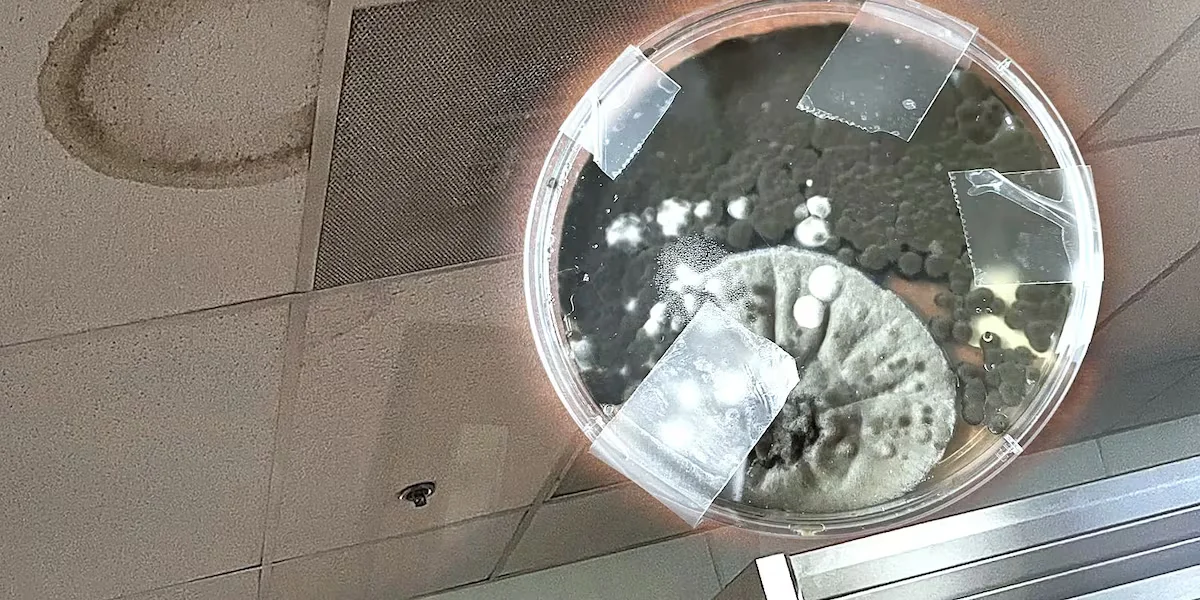
Ohio’s recovery housing regulations are changing right now. If you’re seeking treatment in Columbus, Cleveland, or anywhere across our state, these new rules will touch your life. Here’s the thing: safe, stable housing isn’t just a nice-to-have in recovery—it’s the foundation. But what happens when the very places meant to provide sanctuary become hazards? We saw it painfully clear this April when a Cleveland drug rehab facility faced criminal charges for mold violations throughout its building. That’s the reality pushing Ohio lawmakers to act, and it’s why every family in Akron, Dayton, or Cincinnati needs to understand what’s coming.
The Push for Oversight: Why Ohio Can’t Wait
Let’s break this down. For years, recovery housing in Ohio operated with inconsistent standards. Some facilities provided excellent, compassionate care. Others, like the Cuyahoga County Diversion Center run by Oriana House that made headlines, allegedly failed their residents with dangerous living conditions. The proposed Ohio House Bill 718 aims to reshape this oversight landscape. While we couldn’t access the full legislative text, the intent is clear: to build a regulatory system that ensures safety, quality, and accountability for every person who walks through the door seeking help.
At the Recovery Institute of Ohio, we’ve seen how the lack of uniform standards creates a patchwork of care. Someone might find excellent support in a sober living home in Franklin County, while a person just miles away in a different facility faces neglect. The new regulations seek to change that. They’re about making sure that ‘recovery housing’ means what it says—a home that actively supports healing, not one that undermines it with health code violations and substandard care.
A System Under Strain: The Context Behind the Changes
Ohio’s behavioral health system has been stretched thin for years. Consider this: in February 2026, the ADAMHS Board of Cuyahoga County delayed a vote on a crucial behavioral health crisis center. Board leaders delivered a stark warning, captured by cleveland.com: ‘there is no help coming.’ That sentiment echoes across our state. When existing resources are overwhelmed, oversight can slip. Facilities operate without adequate support or scrutiny, and vulnerable Ohioans pay the price.
The ADAMHS Board did advance a scaled-back plan for a Cleveland crisis center, which shows local commitment to filling gaps. But these piecemeal efforts highlight why statewide regulations are so necessary. We need a system that works in Toledo as well as it does in Cleveland, one that supports rural communities in Appalachia with the same rigor as urban centers. These proposed recovery housing rules aren’t happening in a vacuum. They’re a direct response to a system that’s crying out for structure, a system that needs to better protect the people it serves.
What New Regulations Actually Mean for Treatment
So where does Ohio go from here? The new regulatory system will likely focus on several key areas: facility standards, staff qualifications, and resident safety protocols. Think regular inspections, clear health and safety codes, and mandated staff training. For treatment providers, this means adapting operations to meet higher benchmarks. For us at Recovery Institute of Ohio, compliance isn’t a burden—it’s our baseline promise. We’ve always believed that excellence in care starts with excellence in environment.
But here’s a critical question we must face: could stricter regulations inadvertently reduce the number of available beds? It’s a valid concern. If some facilities can’t or won’t meet new standards, they may close. This creates a potential access crisis, especially in counties already struggling with treatment deserts. The challenge for lawmakers is to raise the floor without shrinking the room. They have to ensure regulations improve quality without eliminating capacity for the thousands of Ohioans who need these services every year.
For Ohio Families: Navigating the New Landscape
If you or someone you love is looking for recovery housing in Ohio today, what should you do? First, ask questions. Lots of them. Inquire about a facility’s licensing status, its inspection history, and staff credentials. Visit if you can. Look for clean, safe environments that feel supportive, not institutional. Second, understand that quality treatment often integrates housing with clinical care. As we discussed in our article on What Is Medication-Assisted Treatment (MAT)?, comprehensive approaches yield the best outcomes.
Third, know your resources. The ADAMHS Board in your county can provide information about licensed providers. And remember, recovery housing is one piece of a larger journey. It might be complemented by outpatient programs, counseling, and community support. You’re not alone in this. For those in rural areas where facility-based housing is scarce, innovations like our Mobile Treatment Units: Expanding Access to MAT and Counseling in Rural Communities can bridge the gap, bringing critical services directly to people where they live.
Practical Steps Forward in a Changing System
The reality is that change brings both challenge and opportunity. As regulations evolve, we encourage families to become advocates—for their loved ones and for high standards across Ohio. Share your experiences with providers. Support legislation that funds both oversight and capacity expansion. And recognize that the justice system is also adapting to prioritize treatment over punishment, as detailed in our piece on Drug Court Expansion In Ohio: A Shift from Jail To Treatment.
At Recovery Institute of Ohio, we’re preparing for these changes by auditing our own housing partnerships, enhancing staff training, and advocating for sensible regulations that put people first. We believe every Ohioan deserves a safe place to heal. These new rules, if implemented thoughtfully, can help guarantee that. But they require all of us—providers, families, and communities—to stay engaged and informed.
A Compassionate Close: Your Next Right Step
Change can feel overwhelming, especially when you’re already carrying the weight of addiction. Maybe you’re in Columbus worrying about a son, or in Cincinnati seeking help for yourself. Here’s what we want you to know: recovery is possible, and it starts with reaching out. These regulatory changes are ultimately about creating safer pathways to that recovery. Your journey matters.
In our experience, the most powerful step is the first one—the decision to seek help. Don’t let uncertainty about housing rules paralyze you. Call us. Let’s talk through what safe, supportive recovery looks like for you or your loved one. We can navigate these changes together, finding the right program in the right environment. Your healing matters too much to wait. Reach out to our team today—we’re here to help you build a foundation for lasting recovery, one safe, supported step at a time.
Are You Ready to Start a Better Way of Life?
Reviewed by Jessica Kitchen

Jessica Kitchin is the Clinical Program Manager/Primary Therapist at Recovery Institute of Ohio. She received her Master’s Degree in Addiction Counseling from Grand Canyon University. Jessica believes that the best part of her job is knowing that she is apart of creating a safe, healthy, nonjudgmental environment where people can come and better their lives. "There is nothing more satisfying than helping others learn to live again and piece their lives back together as they become strong, productive members of society. Together, we can bring families back together and promote healing and wellbeing.

Start your recovery today with Recovery Institute of Ohio
Recovery Institute of Ohio Treatment Programs
Drug Rehab Blogs